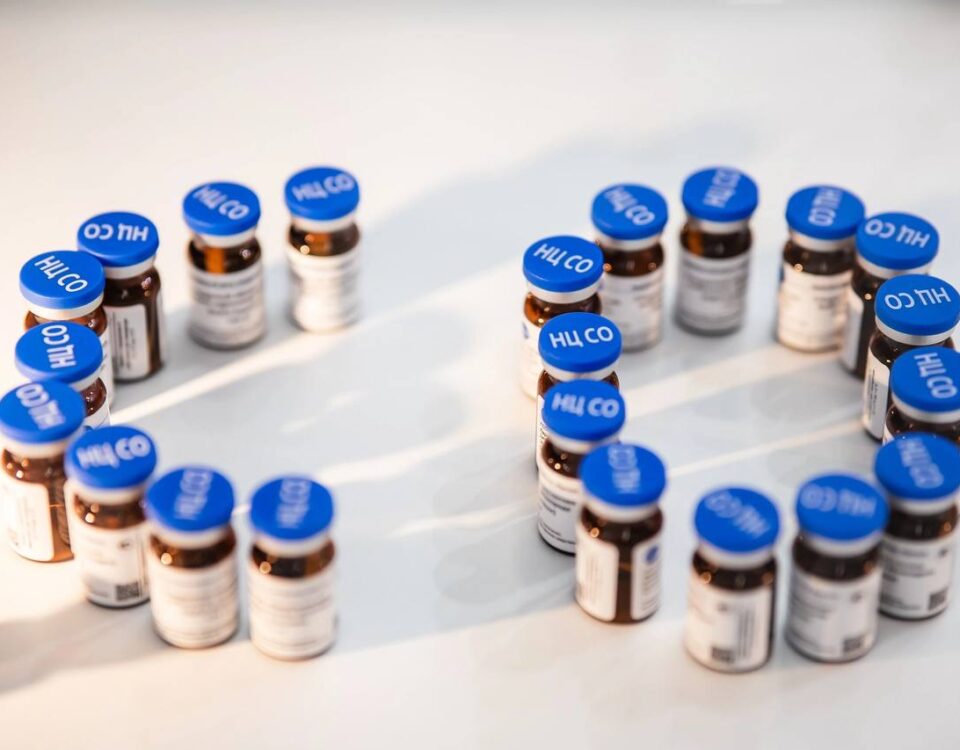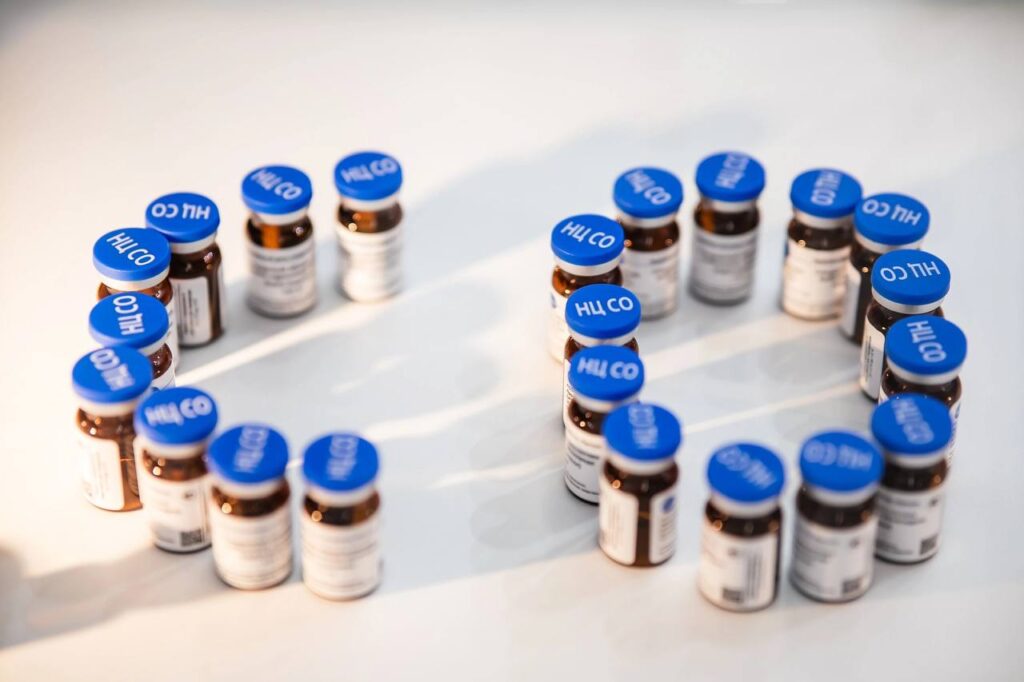




Sales volumes of the National Center for Standard Samples increased fivefold in 2025
12.12.2025
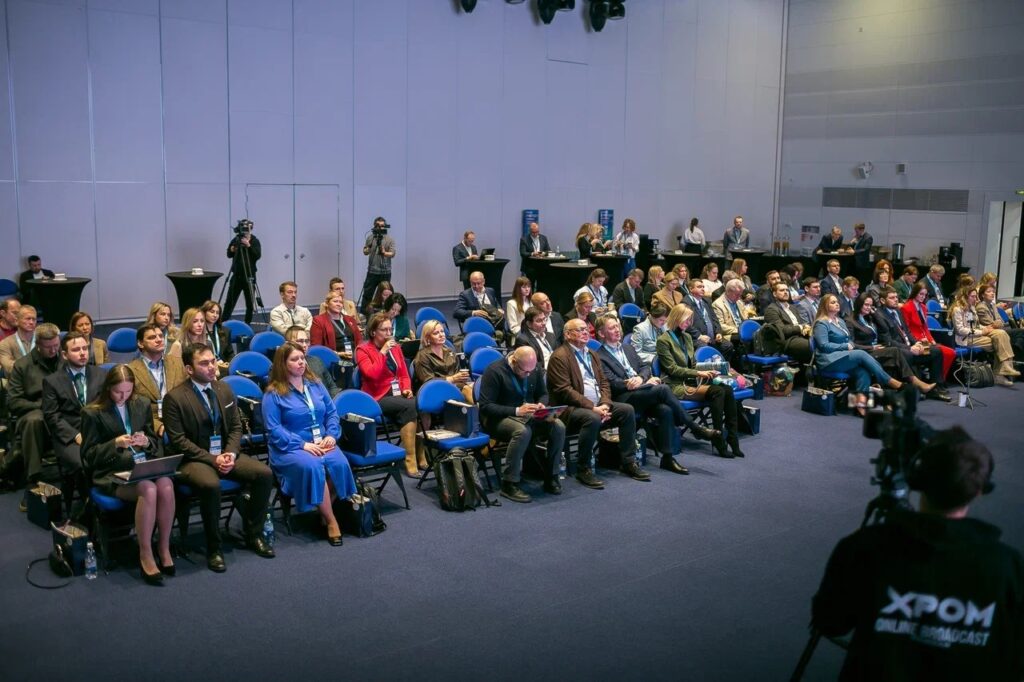
NCSS Will Participate in the IX Pharmaceutical Summit
28.01.2026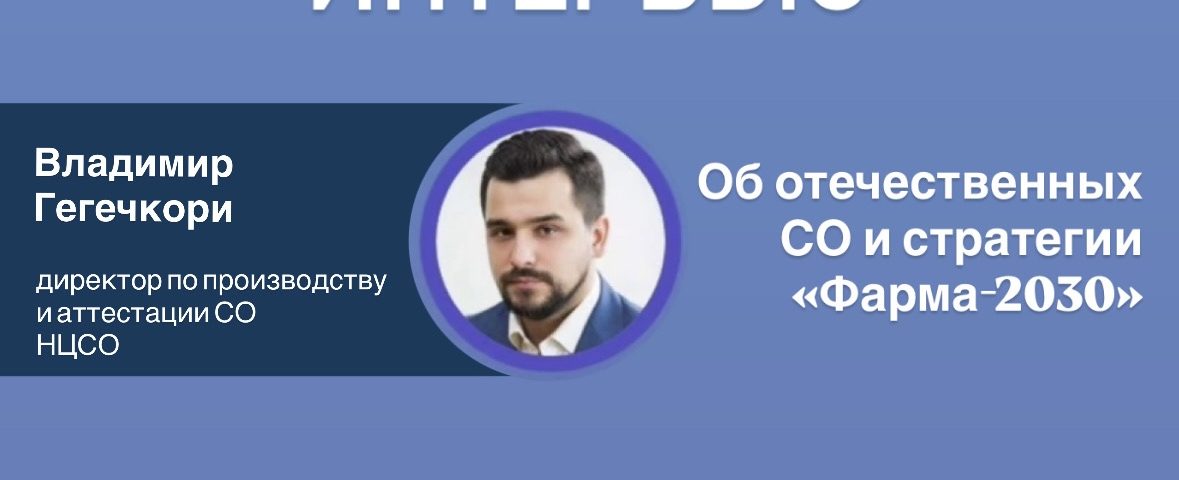
We share with you key points from an exclusive interview with the Production and Certification Director of the NCSS, Vladimir Gegetchkori, for GxP News, where he discussed the role of reference materials in the "Pharma-2030" strategy and current challenges in the industry.
How do you assess the progress of the "Pharma-2030" strategy, and what contribution does the NCSS make to its implementation?
The "Pharma-2030" strategy is crucial for import substitution and the formation of a domestic scientific and technological cluster. It is important to note that reference materials for the medical and pharmaceutical industries have been included in this program as a standalone item, highlighting their significant role in the standardization and quality control of pharmaceuticals. The NCSS is actively developing the area of reference materials. Thanks to government support measures, a large number of reference materials from the essential medicines list have been developed and prepared. To date, our products are already represented in the markets of the Russian Federation and EAEU countries, and we continue to work within this strategy and promote our products.
How many reference materials do you currently have? Is the bank of reference materials ready for challenges such as "Pharma-2030"? Is the Center for Standard Samples able to provide the industry with reference materials, and within what timeframe?
Work on creating a Russian Bank of Standard Samples began several years ago when there were practically no domestic reference materials for pharmaceuticals on the market. This was a high bar and a very ambitious task, which we are successfully fulfilling to this day. For a long time, our organization developed reference materials at its own expense. However, the situation has drastically changed now. Thanks to the joint efforts of the NCSS (as a subsidiary of the Federal State Institution "GILS and NP"), colleagues from the Ministry of Health, the Ministry of Industry and Trade, and other organizations, the Bank has grown from a few items to several hundred in three years. We have covered a significant part of reference materials for the essential medicines list, ensuring their availability for manufacturers in the Russian Federation and EAEU countries.
How actively are manufacturers switching to domestic reference materials?
In recent years, we have seen a multiple increase in demand for Russian reference materials. Previously, manufacturers preferred foreign standards (USP, EP) already specified in their documentation. Several factors changed the situation: sanctions policy, logistical difficulties, and currency volatility. Additionally, the Ministry of Health and the Ministry of Industry and Trade of Russia prepared and released an important explanatory document that equalized the rights of Russian reference materials (pharmacopoeial reference materials and approved type reference materials) and significantly simplified the procedure for making changes to registration files.
This provided a powerful impulse, and now large Russian manufacturers are gradually transitioning to domestic reference materials.
How does expanding the base of domestic standard samples affect trust in the Russian pharmaceutical industry?
This is a fundamental question of pharmaceutical safety. We must guarantee not only effective but also safe medications. In the current conditions, it is necessary to build a protected market where quality control of both domestic and imported medicines is carried out using domestic consumables, including standard samples, especially when we talk about approved type standard samples. Approved type standard samples are primary standards that allow for an objective assessment of the quality of any products, whether domestically produced or imported. Thus, we can always guarantee the safety of what we are dealing with.
How might the "second extra" mechanism affect the pharmaceutical industry, and how can the NCSS help?
Such initiatives open new prospects for Russian manufacturers, creating competitive advantages. This is a path down which we can develop. The NCSS fully integrates into the concept of import substitution. We assist the industry not only with our standard samples but also work on localizing the production of other critically important consumables, for example, in the field of chromatography. Our goal is to provide domestic producers with a complete set of tools for producing quality products for citizens of Russia.
This dialogue confirms that creating our own reference database is not just a task but a necessary condition for drug safety and the technological sovereignty of the country.